

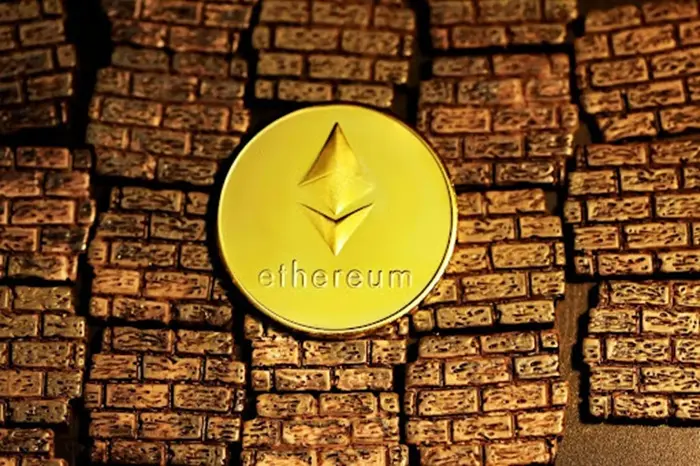
If you’re new to crypto, it goes without saying that starting small and targeting the more stable, well-established digital coins is the safest way around. New cryptocurrencies and airdrops emerge every day, and most of them promise the moon, but how can they gain the trust of a newcomer and ensure it won’t fail them one month from now? They can’t. Because many new entries reward only the early few before fading into thin air. But heavyweights like Bitcoin and Ethereum? They’ve weathered the stormiest cycles, bouncing back time and time again through every market downturn. The difference lies in their resilience: global adoption, growing institutional interest, and developments like exchange-traded funds (ETFs) continue to reinforce their long-term position in the crypto landscape.
Bitcoin may take the spotlight as the “first” crypto around and the all-time headliner, but there’s another name worthy of attention: Ethereum, the project that started as a programmable blockchain platform – an upgrade of Bitcoin’s idea – and turned into a global, decentralized computer. It’s now a system that runs code, facilitates smart contracts, hosts numerous dApps, NFTs, DAOs, and Layer2 (L2) networks, and the list of capabilities continues to grow.
If you’re thinking of dipping your toes into crypto investing for the first time, Ethereum might be just the right starting place. Why should you consider a pair like ETH/USD? The four sections below answer this exact question.
Remaining the #1 L1 platform despite heating competition
Ethereum remains the most prominent Layer-1 blockchain platform worldwide – according to a 2024 report from Electric Capital firm, it still leads in blockchain developer activity. This enduring success stems from its support for NFT marketplaces, DeFi protocols, governance apps, gaming, decentralized apps (dApps), and more – alongside its role in pioneering some of blockchain’s most significant innovations, like smart contracts. Ethereum has the first-mover advantage and its network deployments are hard to replicate. But here’s the catch. The landscape evolves at breakneck speed, driven by tech advancements and high competition, and challengers like Avalanche and Solana are gaining serious traction due to lower transaction fees and faster processing speeds. Solana, for instance, can handle up to 100K transactions per second, a massive feat compared to Ethereum, which can process only 15-30.
Still, Ethereum’s advantage lies in its ecosystem maturity and adaptability, two strong suits that justify investors’ confidence (and subsequent investments) in this project. Ethereum might not always be the fastest, but it’s still the safest foundation for the next wave of decentralized innovation, and that stability is often what makes it a smart first crypto investment.
Fusaka, more capacity at a lower cost
Ethereum is continuously undergoing upgrades, and one of the newest on the agenda – Fusaka – is set to make the network faster, cheaper, and more productive. How? By doing away with one of the most common yet most pressing problems in blockchains, data throughput. Fusaka is designed to expand data capacity, allowing Ethereum to process more transactions without the traditional repercussions of clogging or driving gas fees sky-high.
This new deployment is designed for the “scalling-by-rollups” strategy of the nentwork, where transactions are piled into stashes outside the chain before they get recorded on the primary chain. This upgrade introduces a new improvement to data availability, one that helps the network process much more rollup data at once, reducing congestion and fee spikes that commonly result from heightened activity, thus providing a smoother, more predictable experience for all users.
To put it simply, Ethereum users can expect faster confirmations, fewer costly slowdowns, and an overall more scalable environment – milestones in the platform’s path toward a truly global, usable blockchain. For investors like you, this translates into more strength and potentially heightened demand since the upgrade makes Ethereum more appealing to everyday crypto users and app developers – a good indicator for anyone owning or thinking of buying ETH. Some analysts don’t rule out ETH surging to ~$6K by this year’s end.
Increased staking and validator accessibility
Ethereum’s staking ecosystem has evolved significantly with its most recent network improvements, making it easier for more enthusiasts to participate in staking, with a focus on the Pectra upgrade and EIP-7251. The latter, for instance, raises the maximum effective balance per validator from a super costly entry barrier of 32 ETH to just 2,048 ETH, allowing validators to stake larger amounts and process more transactions per node. At the same time, this upgrade reduces operational and hardware challenges for validators, so more can contribute to the network’s security, not needing expensive hardware or complex setups anymore. These changes enhance decentralization by lowering tech and financial entry barriers and encouraging a wider range of participants to help secure the network.
For investors, this is good news as it contributes to a healthier, more distributed staking infrastructure, which supports the network’s long-term sustainability, reduces centralization risks, and makes ETH a more reliable investment for the future.
Institutional activity and tech signals
Heavyweights like Microsoft, Visa, Shopify, and more have experimented with Ethereum-based apps, while A-listers like BlackRock have been developing directly on Ethereum. At the same time, ETFs and crypto funds are increasingly gaining exposure to ETH, with ETH ETFs having accumulated +$307MN in just one day during August of this year. Clearly, Ethereum’s been riding the wave in 2025. Even after a recent price correction that took Ethereum down from its new ATH of $4,953, institutional investors haven’t shied away – in fact, they’re actively buying the dip. Reports indicate steady accumulation during the market pullback, with institutions seizing the opportunity to increase their exposure ahead of the next network cycle. This behavior underscores Ethereum’s long-term potential and reinforces its appeal as a strategic investment, even amid short-term volatility.
A word of caution.
Before jumping on Ethereum – or any other crypto investment, for that matter – it’s important to step back and determine how much risk you can tolerate. Digital assets are volatile and often driven by speculation, meaning that even a well-established coin like ETH can experience swings out of the blue. What’s the share of the portfolio you’re comfortable allocating without compromising your financial stability?