

Presbyopia is an age-related vision condition in which the eye’s lens gradually loses flexibility. This reduced elasticity makes focusing on close objects challenging, affecting everyday activities like reading, writing, or using digital devices. Most individuals begin noticing presbyopia symptoms after reaching their forties, making it a common concern among middle-aged adults.
Vision plays a significant role in daily life. Clear sight supports safety while moving through different environments, enhances communication, and improves productivity. Strong visual capability allows individuals to engage fully in professional, recreational, and social activities without constant reliance on corrective tools.
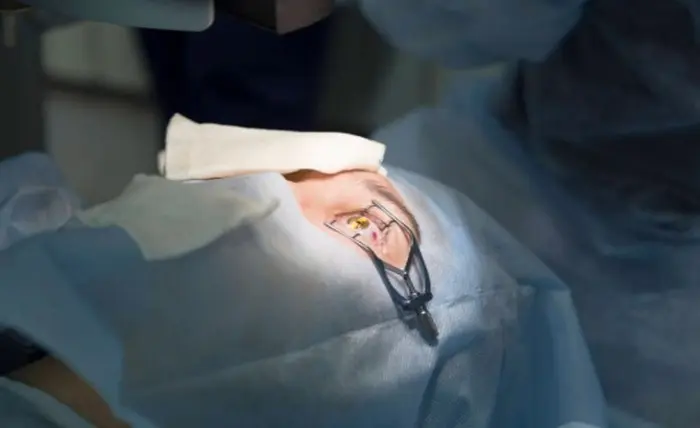
Surgical options for presbyopia have grown in popularity due to their ability to provide lasting vision correction. Modern techniques offer alternatives to traditional measures such as reading glasses or contact lenses, helping patients regain independence from external visual aids. These procedures, like presbyopia treatment surgery at EyeWise Vision clinic, can restore near vision effectively, improving both functionality and overall quality of life.
Signs, Symptoms, and Age-Related Changes
Presbyopia typically manifests as difficulty focusing on close objects, eye strain during reading, or the need to hold materials farther away to see clearly. Over time, patients may notice fatigue, headaches, or increased reliance on corrective lenses.
Aging naturally affects the eyes through several mechanisms. Tear production may decline, contributing to dry eye, while lens elasticity diminishes, leading to presbyopia. Other conditions, including cataracts or macular degeneration, can also arise with age, further impacting vision. Understanding these changes helps individuals select the most suitable treatment approach for their visual needs.
Non-Surgical Treatments and Their Limitations
Reading glasses and contact lenses remain common methods for managing presbyopia. Glasses provide a straightforward solution for near vision, while contact lenses offer an alternative that avoids the constant presence of frames. Both options allow for incremental adjustments in lens strength to match the progression of vision changes.
Non-invasive approaches, such as specialized exercises, lifestyle adjustments, and visual aids, can offer temporary relief. These methods may reduce strain or improve comfort, but they do not address the underlying changes in lens flexibility. Regular updates to prescriptions and ongoing adaptation can also be inconvenient for individuals seeking a long-term solution.
Surgical Treatment Options
Advances in medical technology have introduced several surgical solutions for presbyopia. Each method aims to restore near vision while minimizing dependence on glasses or contacts.
Conductive Keratoplasty (CK)
CK uses radiofrequency energy to reshape the cornea. It is suitable for individuals with mild presbyopia and can reduce reliance on reading glasses. The procedure is minimally invasive, with a relatively quick recovery period.
LASIK Surgery
LASIK reshapes the cornea using a laser, improving focus at various distances. While commonly associated with correcting nearsightedness or farsightedness, LASIK can also be adapted to treat presbyopia. Recovery is typically rapid, allowing patients to resume daily activities shortly after the procedure.
Refractive Lens Exchange (RLE)
RLE involves replacing the eye’s natural lens with an artificial one to correct refractive errors, including presbyopia. This surgery addresses both near and distance vision, offering a more permanent solution for individuals who also have age-related lens changes or early cataracts.
Multifocal Intraocular Lenses (IOLs)
Multifocal IOLs are advanced implants that provide clear vision at multiple distances. These lenses reduce dependency on glasses after surgery, supporting functional vision for both near and far tasks.
Each surgical option carries unique advantages and considerations, including differences in recovery time, potential risks, and suitability for various eye conditions. Discussing these factors with an experienced ophthalmologist can help identify the most appropriate procedure for individual needs.
Benefits and Risks
Presbyopia surgery offers several advantages. Patients often experience improved near vision, reduced reliance on corrective eyewear, and enhanced quality of life. Many procedures involve minimal downtime, allowing individuals to return to their normal routines within days or weeks.
Like any surgical intervention, potential complications exist. These may include temporary visual disturbances, dry eye, or infection. Understanding possible risks allows patients to make informed decisions and follow recommended strategies to support a successful outcome.
Post-surgery life typically involves a period of adjustment as the eyes heal. Patients may need to adopt temporary activity restrictions and follow medical guidance to support recovery. Over time, improved vision can make daily activities easier and more enjoyable.
Ideal Candidates for Surgery
Good candidates for presbyopia surgery generally have stable eye health, no significant chronic conditions affecting healing, and realistic expectations regarding outcomes. Maintaining overall wellness through balanced nutrition, physical activity, and healthy habits supports recovery and long-term vision health.
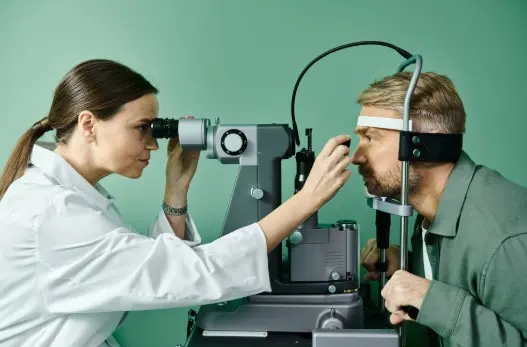
Age and vision characteristics are also important. Patients over 40 who experience consistent near vision decline but retain adequate distance vision are commonly considered for surgical options. Comprehensive eye examinations help assess suitability and guide the selection of the most effective procedure.
Preparing for Surgery
Preparation involves a series of assessments and tests to evaluate eye health, vision stability, and overall readiness for the procedure. These evaluations help identify any potential issues that could affect results.
Mental and physical readiness can influence recovery. Practices such as maintaining regular sleep schedules, managing stress, and following pre-operative instructions improve the likelihood of a smooth healing process. Clear communication with the surgical team helps patients understand expectations and post-operative care requirements.
Post-Surgery Care
Recovery begins immediately after surgery, with most patients noticing gradual improvements over the following weeks. Following medical guidance for eye drops, avoiding strenuous activity, and protecting the eyes from irritants support healing.
Long-term maintenance of improved vision includes attending follow-up appointments, monitoring for changes in vision, and protecting eyes from UV exposure. Adhering to these practices contributes to stable and lasting outcomes, allowing patients to enjoy the benefits of restored near vision.