

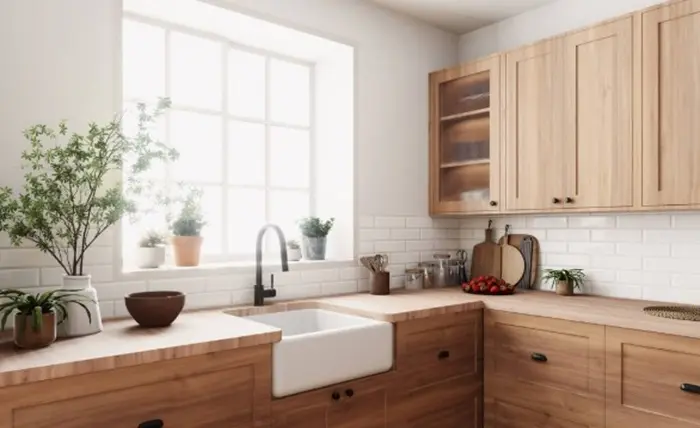
Kitchen countertops play a central role in the design and function of any cooking space. They influence convenience, visual appeal, durability, and the overall rhythm of daily routines, making the choice of a kitchen counter top especially important. Whether used for chopping vegetables, placing hot pans, serving family meals, or displaying décor, countertops shape how a kitchen feels and operates.
This article explores the value of countertops, the qualities that make certain materials stand out, and the factors that guide homeowners toward surfaces that support both their style and their daily needs. By reading through this guide, you’ll gain a fuller understanding of countertop materials, maintenance practices, and practical decision-making tips that help transform a kitchen into a more efficient and inviting environment.
Understanding Kitchen Countertops
What Kitchen Countertops Are
Countertops refer to flat surfaces installed on top of lower cabinets, commonly used for cooking-related tasks. Their purpose ranges from food preparation to serving and housing appliances. Offered in a broad variety of materials, colors, patterns, and finishes, these surfaces shape both the appearance and utility of a kitchen.
Why Countertops Hold Importance in Culinary Spaces
Countertops influence cooking flow, cleanliness, and convenience. They provide sturdy work areas for daily tasks and contribute to the long-term resilience of the kitchen environment. Their texture, finish, and construction affect hygiene standards, ease of cleaning, and even the mood of the space. A thoughtfully chosen countertop can instantly elevate both aesthetics and functionality.
Features of High-Quality Countertops
Durability
A dependable countertop withstands regular use without degrading quickly. Daily kitchen routines expose surfaces to knives, cookware, acidic ingredients, utensils, spills, and cleaning agents. A strong material maintains its structure and appearance across years of use, making it a worthwhile long-term investment.
Heat Resistance
Many kitchen tasks involve contact with warm objects such as pots and oven trays. Countertops with high heat tolerance protect their finish when exposed to elevated temperatures. This allows homeowners to work confidently without worrying about marks, burns, or thermal damage.
Easy Maintenance
A surface that doesn’t demand complicated upkeep simplifies life. Materials that resist stains, wipe clean quickly, and hold up under frequent washing help keep the kitchen tidy. Smooth textures, minimal seams, and non-porous finishes contribute to low-maintenance upkeep.
Health and Safety
The kitchen is a place where hygiene matters. Countertops that resist bacterial growth and don’t absorb liquids promote cleanliness. Some materials naturally inhibit contaminants, while others rely on sealed finishes. Whichever the case, a surface that supports a sanitary cooking environment is an advantage in any home.
Aesthetic Appeal
Design plays a major part in choosing a countertop. The color, pattern, edge style, and finish should match or complement the surrounding cabinets, flooring, and backsplash. A visually appealing countertop enriches the character of the kitchen and influences its overall atmosphere.
Materials Used for Quality Kitchen Countertops
Granite
Granite is a natural stone known for its strength and refined appearance. It resists scratches and heat and often features unique veining that gives kitchens a more luxurious feel. On the other hand, it may require sealing and is heavier than other materials, which can influence installation.
Quartz
Quartz countertops are engineered using natural quartz crystals combined with resins. They stand out for their non-porous composition, consistent patterns, and broad selection of colors. Their surface resists stains and doesn’t require sealing, though extremely high heat can still affect the material.
Solid Wood
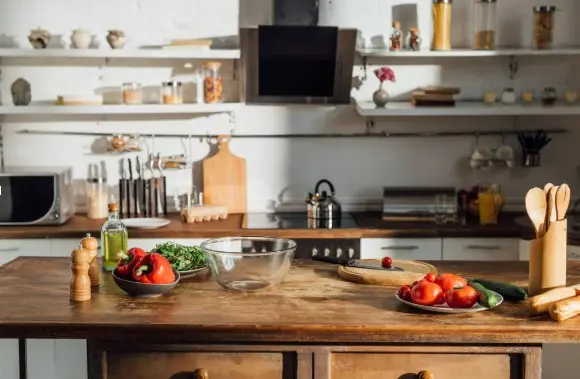
Solid wood surfaces add warmth and create a welcoming atmosphere. They are appealing in rustic, Scandinavian, farmhouse, and eclectic kitchen designs. Though resilient, wood may require periodic oiling and careful handling to avoid scratches or moisture absorption.
Resin-Based Countertops
Resin surfaces offer versatility and a sleek, glossy finish. These countertops can mimic stone or present bold artistic designs. Their resistance to stains and scratches makes them appealing for modern kitchens, though some types may react to strong chemicals or UV exposure.
Pros and Cons of Each Material
Each material offers its own blend of advantages. Granite brings natural beauty, quartz offers consistency, wood provides warmth, and resin surfaces appeal to those seeking design flexibility. At the same time, maintenance needs, cost, weight, heat tolerance, and long-term durability vary. Evaluating these aspects helps buyers align material choice with their lifestyle and preferences.
Real-Life Examples of Quality Countertops
Homeowners across various regions have shared success stories featuring updated kitchens with new countertops. Before-and-after photos often reveal transformations ranging from subtle improvements to dramatic upgrades. Testimonials highlight durability, ease of cleaning, and satisfaction with both appearance and performance.
Conclusion
Kitchen countertops shape the way a cooking space looks, feels, and functions. Choosing the right surface can redefine how you prepare meals, clean up, and experience your kitchen as a whole. From durability to aesthetics, each material offers unique advantages that serve different lifestyles. Investing in a high-quality countertop brings long-term value and elevates daily living in meaningful ways.
Now is the perfect moment to reimagine your kitchen with a countertop that aligns with your needs and preferences. A well-chosen surface can serve as both a stylish centerpiece and a reliable partner in your culinary routine.