

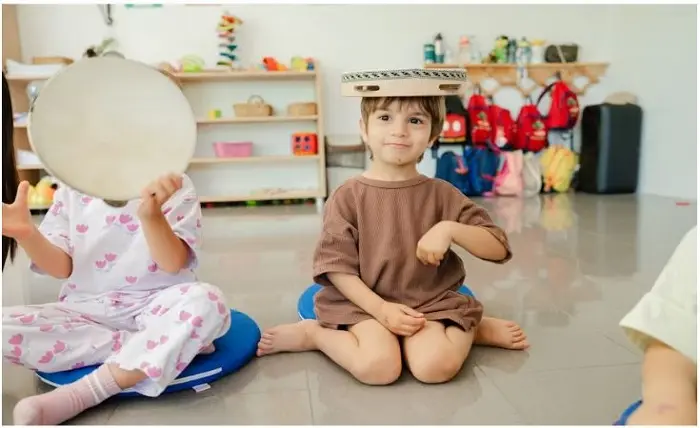
Early childhood education plays a significant role in shaping a child’s developmental trajectory. Programs that emphasize holistic learning equip children with social, emotional, and cognitive abilities, preparing them for the transition to primary school and beyond. Well-structured preschools reduce learning gaps, promote confidence, and create opportunities for equitable development across diverse communities.
Tampines has emerged as a community with a strong focus on early childhood education, with options such as Small Wonder preschool Tampines available to families. The area offers a variety of preschools and learning centers designed to meet the demands of working parents and support children’s growth. With accessible locations, well-trained educators, and enriched curricula, families can find programs that cater to individual learning needs and schedules.
Investing in early education contributes not only to immediate learning gains but also to long-term personal and academic success. A well-rounded preschool experience fosters problem-solving, curiosity, communication, and social collaboration, shaping children into confident and adaptable learners.
Understanding the Role of High-Quality Preschool Education
Definition of High-Quality Preschool Education
High-quality preschool education refers to programs that create supportive learning environments while encouraging cognitive, social, and emotional growth. These programs often employ play-based methods, engage skilled educators, and offer structured curricula that address individual development. Family involvement and continuous assessment of learning progress further strengthen the overall experience for children.
Contribution to Early Childhood Development
Preschool provides children with structured opportunities to interact with peers, explore ideas, and develop foundational skills for academic success. Activities are designed to cultivate communication, teamwork, creativity, and critical thinking. Exposure to guided learning experiences at a young age enhances adaptability and resilience, giving children a solid foundation for future education.
Demonstrated Benefits
Research indicates that children attending high-quality preschool programs show significant improvement in language, numeracy, and social skills. These experiences foster readiness for formal schooling, reduce achievement disparities, and support long-term academic and personal outcomes. Early exposure to structured learning increases engagement, curiosity, and confidence, benefiting both the child and the wider community.
Overview of Preschool Education in Tampines
Community and Educational Environment
Tampines has developed a reputation for accessible and well-resourced early learning options. Preschools in the area cater to children aged 2 to 6 years, offering structured programs that balance guided learning with creative play. Educators design curricula to address the developmental needs of each child, supporting cognitive, emotional, social, and physical growth.
Curriculum and Teaching Approach
Preschool programs in Tampines integrate literacy, numeracy, arts, science, and social learning through interactive and engaging activities. Students benefit from hands-on learning, collaborative projects, and exploration-based approaches that encourage curiosity. Structured schedules provide balance between independent and group activities, promoting problem-solving and interpersonal skills.
Educator Qualifications and Expertise
Qualified staff with training in early childhood education guide children through age-appropriate learning experiences. Educators employ observation, assessment, and tailored instruction to address each child’s strengths and needs. Professional expertise ensures that children receive attentive care, meaningful engagement, and guidance to develop both academically and socially.
Facilities and Safety Standards
Preschools in Tampines follow rigorous health, safety, and regulatory standards. Facilities are designed to provide safe, comfortable, and stimulating environments for children. Well-maintained classrooms, playgrounds, and learning resources contribute to a productive and secure educational experience.
Supporting Cognitive and Social Growth
Encouraging Critical Thinking
Preschools emphasize activities that promote problem-solving, decision-making, and creativity. Children develop analytical skills through hands-on exploration, puzzles, and collaborative projects, building confidence in their ability to approach challenges thoughtfully.
Social and Emotional Development
Interaction with peers in structured and guided settings promotes empathy, communication, and cooperation. Children learn to navigate social dynamics, express emotions appropriately, and build relationships, fostering resilience and self-awareness.
Community Engagement and Family Involvement
Active involvement of families strengthens the educational experience. Programs host workshops, family activities, and regular communication to align home and school support. Collaborative engagement enhances learning outcomes and builds a sense of community around the child’s development.
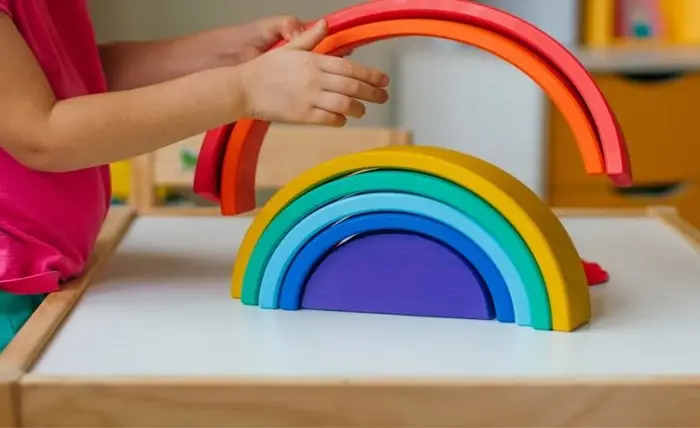
Maintaining High Educational Standards
Teacher Collaboration and Training
Ongoing professional development and collaboration among educators support curriculum quality. Sharing best practices, reviewing teaching strategies, and participating in training programs improve instructional methods and ensure consistent learning outcomes.
Continuous Assessment and Program Improvement
Regular evaluation of program effectiveness allows preschools to adjust activities, teaching methods, and support strategies. Monitoring child progress, incorporating feedback, and updating curricula help maintain high-quality standards in line with developmental benchmarks.
Policy and Support Initiatives
Policies that provide funding, resources, and guidance for early childhood programs enhance accessibility and quality. Partnerships between educational institutions, families, and local authorities ensure sustainable development and support for young learners.
Conclusion
High-quality preschool education in Tampines provides children with the skills, confidence, and experiences necessary for a successful transition to primary school and beyond. Programs emphasize holistic development, skilled instruction, and safe, engaging environments, allowing children to explore, learn, and grow effectively.
By choosing a well-structured preschool, families invest in a child’s social, emotional, and cognitive growth. Tampines offers a wide range of options, from play-based learning to structured curricula, all guided by experienced educators committed to supporting early development. In doing so, children gain a strong foundation for lifelong learning, critical thinking, and adaptability.