

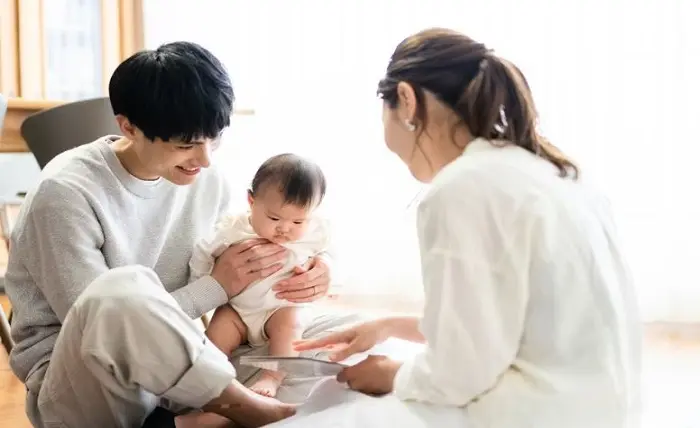
👶🍼 Learn the art of parenthood! Discover top-notch classes for new parents and master the parenting game with us! 💪👪🌟
Parenthood is the state of being a caregiver, encompassing responsibilities, nurturing roles, and emotional bonds with children. It involves guiding development, offering support, and cultivating love throughout different stages of a child’s life. The journey presents both challenges and rewards. Sleep deprivation, unexpected responsibilities, and learning to respond to a newborn’s needs can test patience and adaptability. At the same time, witnessing milestones, celebrating growth, and experiencing unconditional love provides deep fulfillment.
Mastering the skills associated with parenting strengthens the ability to create a supportive environment for the child. Parents who are well-prepared tend to manage stress better, respond effectively to their child’s needs, and promote healthy development through structured routines and positive interactions.
Introduction to New Parent Classes
The new parent classes are designed to assist families as they adjust to life with a newborn. These sessions cover practical topics including feeding techniques, diapering, bathing, soothing fussy infants, and monitoring developmental milestones. Emotional support and strategies for managing parental stress are also addressed, helping caregivers build confidence and resilience. Participants gain opportunities to connect with others experiencing similar changes, fostering a sense of community and mutual support.
The classes take an interactive approach, combining hands-on practice with expert guidance. Participants are encouraged to engage in discussions, ask questions, and practice skills under the supervision of instructors experienced in infant care and child development. This approach allows parents to acquire knowledge in a way that is immediately applicable to their daily routines.
Key Topics Covered in the Classes
The curriculum includes foundational skills for newborn care, such as proper holding techniques, feeding positions, and hygiene practices. Parents learn about infant cues, sleep patterns, and ways to soothe their babies effectively. Emotional well-being is integrated into the sessions, with guidance on managing stress, fostering patience, and maintaining a positive connection with the child.
Advanced modules address topics such as early childhood development, creating safe home environments, and understanding behavioral patterns. Parents are introduced to strategies for nurturing independence, promoting early learning, and balancing responsibilities while maintaining self-care. The program combines theoretical knowledge with practical application, preparing caregivers to face a wide range of scenarios confidently.
Distinctions from Traditional Approaches
These new classes depart from conventional methods by prioritizing active participation and interactive learning. Rather than relying solely on lectures, the sessions involve role-playing, demonstrations, and problem-solving activities. Technology is incorporated to offer virtual participation for those unable to attend in person, making the classes accessible and flexible. This structure allows parents to practice techniques in real time and receive immediate feedback from instructors.
Benefits of Attending Parenting Classes
Participation in structured classes helps parents address common fears and uncertainties. Questions about infant care, feeding, and discipline are addressed through evidence-based guidance. Parents gain reassurance and practical tools for handling challenging situations, reducing anxiety and promoting confidence.
Improved parent-child relationships are a significant outcome. Understanding infant cues, responding effectively to needs, and fostering communication from the earliest stages strengthen emotional bonds. Children benefit from consistent care and supportive interactions, laying the groundwork for social and emotional development.
Parents who have completed these programs report increased confidence in their abilities, a stronger sense of community, and greater preparedness for the demands of early parenthood. Sharing experiences with other caregivers allows them to exchange strategies and feel supported, reducing feelings of isolation that can accompany early parenting.
Course Structure and Logistics
The classes are structured to accommodate a range of schedules and learning preferences. Sessions may be conducted online or in-person, with each format offering unique advantages. Online classes provide convenience and access to recorded content, while in-person sessions allow for hands-on practice and direct interaction with instructors and peers.
The duration of the course varies, allowing parents to select options that fit their availability. Each module is designed to build progressively, beginning with foundational skills and advancing to more complex topics. Participants receive guidance from qualified instructors with experience in infant care, child development, and family support, ensuring that the learning experience is both professional and supportive.
Enrollment is straightforward. Parents can register online by completing the registration form or contacting the program coordinator for assistance. Information on course schedules, fees, and resources is provided during the registration process, helping families plan their participation effectively.
Conclusion
Parenting classes offer a structured, supportive environment for new caregivers seeking to build confidence and competence. By providing practical skills, knowledge of child development, and emotional support strategies, these programs prepare parents to manage the demands of early parenthood successfully. Participants benefit from improved parent-child interactions, reduced stress, and a stronger sense of community among caregivers facing similar experiences.
Families are encouraged to explore these new classes as a means of developing confidence, learning practical techniques, and creating a nurturing environment for their children. Attending these programs equips parents with tools to respond effectively to challenges, support healthy development, and enjoy the profound rewards of raising children with care, understanding, and confidence.