

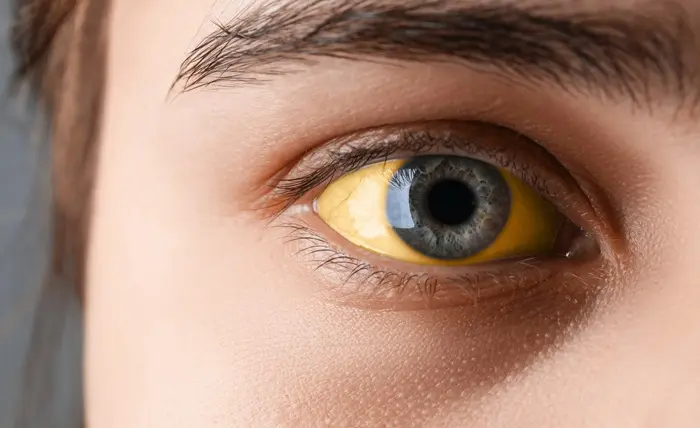
Jaundice is a condition that causes the skin and the whites of the eyes to turn yellow. It can happen to adults, children, and even newborn babies. While the yellow color may be the most noticeable sign, jaundice itself isn’t a disease. Instead, it is a symptom of an underlying issue that needs attention. Understanding why it happens can help people know when to seek medical care.
Many people search for jaundice and yellow skin causes when they notice changes in their skin tone. Jaundice occurs when there’s too much of a substance called bilirubin in the blood. Bilirubin is a yellow pigment that forms when red blood cells break down naturally. Normally, the body handles this substance on its own. When that doesn’t happen, though, bilirubin builds up, leading to yellowing of the skin and eyes.
How the Body Normally Handles Bilirubin
Red blood cells have a limited lifespan. As old cells break down, they produce bilirubin. The liver filters bilirubin from the blood and sends it into the digestive tract where it leaves the body in stool. If the liver isn’t working properly, or if something blocks the flow of bile, a digestive fluid made by the liver, bilirubin can accumulate. When levels rise high enough, the yellow color becomes visible in the skin and eyes.
Common Causes of Jaundice in Adults
In adults, jaundice often points to a liver-related problem. Conditions such as hepatitis, fatty liver disease, cirrhosis, or liver infections can interfere with the ability to process bilirubin. Gallstones are another common cause. These small, hardened deposits can block the bile ducts, preventing bilirubin from leaving the body. Certain cancers, including pancreatic or bile duct cancer, may also lead to blockages and jaundice.
Heavy alcohol use, certain medications, and autoimmune diseases can damage the liver as well. In some cases, blood disorders that cause rapid breakdown of red blood cells. That may increase bilirubin production faster than the liver can handle it.
Jaundice in Newborns
Jaundice is especially common in newborn babies. In fact, many babies develop mild jaundice within the first few days of life. This happens because a newborn’s liver is still maturing and may not process bilirubin efficiently at first. Most newborn jaundice is mild and goes away on its own or with simple treatments like light therapy. However, very high bilirubin levels can be dangerous if left untreated, so babies are closely monitored after birth.
Additional Symptoms to Watch For
Yellow skin and eyes are the main signs of jaundice, but other symptoms can occur depending on the cause. Some people experience dark urine, pale-colored stools, itching, fatigue, abdominal pain, nausea, or unexplained weight loss. If jaundice develops suddenly or is accompanied by severe pain, confusion, high fever, or significant weakness, it’s important to seek medical attention right away.
How Jaundice Is Diagnosed
A healthcare provider will usually start with a physical exam and blood tests to diagnose jaundice. Blood tests measure bilirubin levels and check how well the liver is functioning. Imaging tests, such as ultrasound, CT scans, or MRIs, may be used to look for blockages or structural problems in the liver or bile ducts. In some cases, additional testing may be needed to determine the exact cause.
Treatment Options for Jaundice
Treatment for jaundice depends entirely on the underlying condition. If a gallstone is blocking a bile duct, a procedure may be needed to remove it. If hepatitis or another liver disease is present, medications or lifestyle changes may help manage the condition. For alcohol-related liver problems, stopping alcohol use is often essential. In cases of severe liver damage, more advanced treatments, including transplants, may be considered. For newborns, light therapy helps break down bilirubin so it can leave the body more easily until the liver is able to carry out the process effectively.
Any unexplained yellowing of the skin or eyes should be checked by a medical professional. That’s generally a sign that the liver isn’t functioning the way it should or bilirubin isn’t leaving the body properly. Even if symptoms seem mild, jaundice can signal a serious issue that requires treatment. Early diagnosis can make a significant difference in your outcome, especially for liver or bile duct conditions.