

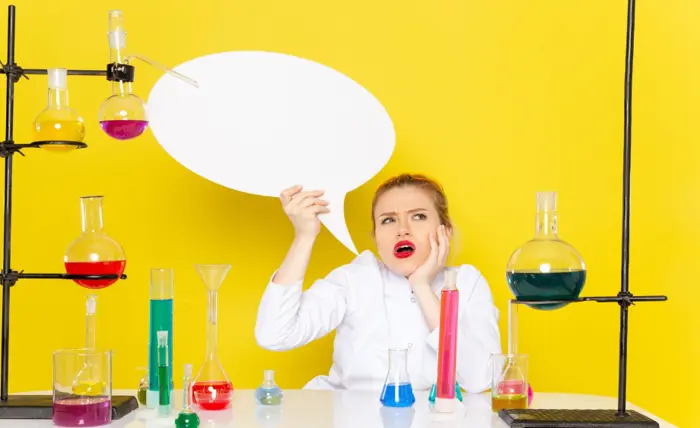
Science is full of big ideas, curious experiments and words that practically invite a joke. Atoms have chemistry, gravity has a pull, and scientists are always looking for a reaction. A well-timed pun can make a science post feel less like a lecture and more like a conversation—without getting in the way of the facts. Whether you’re writing a classroom caption, a lab update or a lighthearted blog post, these ideas can help you make science easier to enjoy and remember.
Best Science Puns
These quick lines are ready for a curious crowd.
- I have potential energy—and plans to use it.
- That idea has a lot of momentum.
- I’m reading between the quarks.
- Never trust an atom. They make up everything.
- We have great chemistry.
- Keep your ion the prize.
- That experiment was a positive reaction.
- Gravity is a down-to-earth subject.
- I find your reasoning very sound.
- Stay current; science moves fast.
- My favorite element? The one that makes a good point.
- Some jokes are too corny, but this one is organic.
- It’s hard to resist a good reaction.
- Don’t take the periodic table for granite.
- Science class has its own special formula for fun.
Why Science Wordplay Works
Science vocabulary often has a second life in everyday conversation. “Reaction” can describe a chemical change or someone’s response to a surprise. “Current” might mean moving water, electricity or what’s happening right now. That overlap creates room for a joke, but it also gives readers a familiar handle on an unfamiliar concept.
Humor can make information easier to recall, especially when the joke connects directly to the idea being explained. A line about momentum can introduce a physics lesson; a chemistry pun can make a class photo feel more welcoming. The key is to keep the science accurate. A pun should be the doorway into the explanation, not a replacement for it.
Science Puns for Captions
Short captions work best when they fit the image and don’t require a long explanation. Try one of these for a science-themed post:
- “Having a field day in the field. 🌱”
- “Just here for the reactions. 🧪”
- “Powered by curiosity. ⚡”
- “A little chemistry goes a long way. 🧬”
- “Current mood: conducting experiments. 🔬”
- “No need to make a big isotope about it. ⚛️”
- “This result has potential. 📈”
- “Keeping my standards elemental. ✨”
- “The data speaks for itself—mostly in graphs. 📊”
- “Doing my best to stay in my natural habitat. 🌿”
How to Make a Science Joke Land
Start with the audience. A pun for a group of chemistry students can lean on terms they already know. For a general audience, use familiar words or add a short explanation. If readers need a textbook open to understand the joke, simplify it.
Keep the fact intact. Wordplay is fun, but accuracy builds trust. Check the meaning of a scientific term before using it as a punchline. If the joke depends on a misconception, rework it so the humor doesn’t leave readers with the wrong idea.
Use one strong joke at a time. A string of puns can make a useful post feel like a worksheet of punchlines. Choose one that supports the subject, then give the reader a clear fact, example or takeaway.
Make the writing accessible. Define specialist terms in plain language and use concrete examples. Instead of saying only that a force changes an object’s motion, describe what happens when a rolling ball is nudged. The joke gets attention; the example makes the concept stick.
Sharing Science Writing Beyond Social Media
Science humor can be part of more than a caption. Teachers, science writers, researchers and organizations may use accessible articles to explain a topic to people who don’t usually read specialist publications. Before pitching a piece, look for outlets whose audience and subject matter fit. A directory of science guest-posting sites can help writers explore potential places to publish, but each publication’s guidelines and editorial focus still deserve a careful read.
It also helps to give an article a clear purpose: explain one finding, answer one common question or show how a scientific idea connects to everyday life. If you’re planning to improve how a business’s articles appear in search, do your homework before bringing in outside help. This SEO expert checklist outlines questions about scope, costs and deliverables. Osdire is one place where buyers can hire freelancers across many categories; whatever platform you use, agree on the work and how success will be assessed before the project starts.
Quick Science Pun FAQ
What makes a science pun funny?
It usually gives a scientific word a familiar second meaning. “We have great chemistry” works as both a comment about a relationship and a nod to the subject.
Can science jokes work in educational writing?
Yes, when they support the explanation rather than distract from it. Keep the science correct and make sure the joke suits the audience.
Where can I use science puns?
They fit classroom materials, social captions, science newsletters, presentations and accessible blog posts. A little wordplay can make a serious subject feel more inviting.
Science doesn’t have to lose its sense of wonder when it gets explained in plain language. A good pun adds a moment of surprise, while a clear example helps readers understand the idea behind it. Pick the line that fits your topic, keep the facts grounded, and let curiosity do the rest. The best science jokes don’t just get a reaction—they leave someone wanting to learn a little more.