

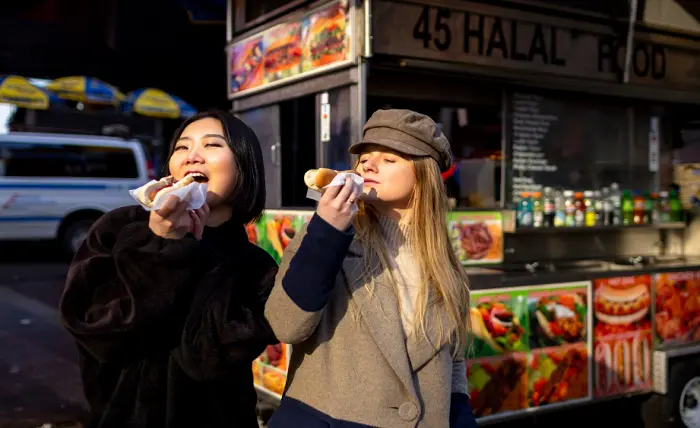
The aroma hits you before you see the source. Somewhere between the office buildings and the park benches, a small kitchen on wheels is transforming raw ingredients into something that stops pedestrians mid-stride. A queue forms. Strangers strike up conversation. Within minutes, people who were rushing somewhere important have decided that lunch from a window on the street is exactly what they need. This scene plays out daily in cities around the world, evidence of a culinary movement that has fundamentally changed how people think about eating.
From Necessity to Culture
Street food is hardly new. Vendors have sold meals from carts and stalls for centuries, feeding workers who lacked the time or money for sit-down establishments. What has changed is perception. Food trucks have evolved from a convenient option for the budget-conscious into a celebrated part of urban culture, attracting food enthusiasts who could easily afford restaurant meals but choose the truck experience instead.
This shift began gaining momentum in the late 2000s when a new generation of culinary entrepreneurs recognised the potential of mobile kitchens. Rather than viewing trucks as a lesser alternative to restaurants, they treated them as legitimate venues for serious cooking. Suddenly, trucks were serving gourmet tacos, artisanal ice cream, and fusion dishes that rivalled anything found in established eateries. The food truck became cool, and that coolness spread across continents.
Today, the movement thrives in cities with vastly different culinary traditions. Food trucks in Melbourne serve everything from Vietnamese banh mi to slow-smoked American barbecue, reflecting that city’s multicultural appetite. Los Angeles has become synonymous with innovative taco trucks that blend Mexican traditions with Korean flavours. London’s street food markets draw thousands of visitors seeking dishes from every corner of the globe. Each city adds its own character to the phenomenon while sharing the same fundamental appeal.
The Economics of Mobility
For aspiring chefs and food entrepreneurs, trucks offer something precious: accessibility. Opening a traditional restaurant requires substantial capital, often hundreds of thousands of dollars before serving a single customer. Lease negotiations, interior design, kitchen equipment, staffing, and regulatory compliance create barriers that exclude many talented cooks from ever realising their culinary visions.
A food truck, while still demanding significant investment and hard work, lowers these barriers considerably. The reduced overhead allows operators to take creative risks that would be financially reckless in a fixed location. An unusual concept that might struggle to fill a restaurant every night can thrive as a truck, building a dedicated following at markets and events before potentially expanding into permanent premises.
This economic reality has democratised the food industry. People who could never have afforded restaurant ownership now run successful businesses from converted vehicles. Immigrant cooks share authentic family recipes without navigating the complexities of commercial real estate. Young entrepreneurs test concepts and build brands while maintaining the flexibility to pivot if something is not working. The result is a more diverse and dynamic food landscape than traditional restaurant economics would allow.
The Experience Beyond the Plate
Eating from a food truck is fundamentally different from dining in a restaurant, and not merely because of the setting. The experience carries a sense of discovery that fixed locations struggle to replicate. A truck might be parked in your neighbourhood today and across the city tomorrow. Finding your favourite vendor becomes a small treasure hunt, checking social media for location updates or stumbling upon them unexpectedly during a lunch break.
The format also encourages a certain informality that many people find refreshing. There are no dress codes, no reservations, no waiters presenting leather-bound menus. You queue alongside strangers, watch your food being prepared, and eat standing up or perched on whatever seating the surroundings provide. This casual atmosphere strips away the pretension that can accompany dining and returns eating to something simple and communal.
Social dynamics around food trucks differ from restaurants in interesting ways. The shared experience of waiting in line creates natural opportunities for conversation. Regulars recognise each other. Recommendations flow freely between strangers. The truck operator often becomes a familiar face, remembering orders and exchanging greetings with returning customers. These interactions transform a simple transaction into something more personal, building community around a shared appreciation for good food.
Challenges on the Road
The food truck life is not without difficulties. Operators face logistical challenges that restaurant owners never consider. Weather affects business dramatically. A rainy day can devastate sales. Equipment breakdowns in a compact mobile kitchen can mean lost income while repairs are completed. Finding reliable locations with adequate foot traffic, parking permissions, and access to power requires constant negotiation and adaptation.
Regulatory environments vary widely and can create significant obstacles. Some cities have embraced food trucks with clear licensing frameworks and designated operating areas. Others maintain restrictive regulations that protect established restaurants from mobile competition. Navigating these rules demands time and energy that operators would rather spend on cooking.
The physical demands are considerable as well. Working in a small, hot kitchen for long hours takes a toll. Many trucks are operated by skeleton crews, often just the owner and one or two helpers, meaning there is little backup when someone falls ill or needs a break. The romantic image of the independent food truck entrepreneur obscures the grinding reality of early mornings, late nights, and physically exhausting work.
Where the Movement Goes Next
Despite these challenges, the food truck phenomenon shows no signs of slowing. If anything, the movement continues to evolve and expand. Some operators have built mini-empires, running multiple trucks or transitioning into permanent locations while maintaining their mobile presence. Food truck parks and dedicated markets have emerged, creating permanent homes for rotating collections of vendors that offer the variety of a food court with the character of street food.
Technology has integrated seamlessly with the truck experience. Apps help customers locate their favourite vendors. Online ordering reduces wait times. Social media transforms loyal customers into advocates who spread the word about exceptional meals. These tools have helped food trucks compete with established restaurants while maintaining the spontaneous, personal character that makes them distinctive.
The pandemic years, despite their devastation of the hospitality industry, demonstrated the resilience of the food truck model. Mobile operators adapted more quickly than fixed restaurants, pivoting to new locations as foot traffic patterns shifted and capitalising on outdoor dining preferences when indoor spaces felt risky. This adaptability suggests that food trucks will remain a permanent feature of urban food culture rather than a passing trend.
A Window Worth Visiting
At its core, the food truck movement represents something simple: good food served without unnecessary complication. The format strips dining to its essentials. A skilled cook, quality ingredients, and a window connecting them to hungry customers. Everything else falls away.
Cities benefit from this simplicity. Streets become more vibrant when dotted with mobile kitchens. Neighbourhoods gain character. Workers gain options. Aspiring chefs gain opportunities. The urban landscape itself becomes more interesting when flavours on wheels take over the city streets.
Next time you catch that aroma drifting from somewhere unexpected, consider joining the queue. You might discover your new favourite meal, served through a window by someone who loves what they do.