

Wedding table flower arrangements play an important role in shaping the ambiance of a reception. They provide visual appeal, convey the couple’s personal style, and contribute to the overall mood of the celebration. From elegantly arranged centerpieces to delicate accents at each place setting, flowers bring warmth, color, and a sense of harmony to the venue.
This guide is crafted for a wide audience. Enthusiasts seeking inspiration, professionals looking for insights, and casual readers exploring trends can all find value in the information provided. It offers practical advice on selecting blooms, arranging flowers, and implementing creative ideas to elevate any wedding table décor, and The Interior Collections provides wedding table flower arrangements that reflect these design principles. The guide highlights a variety of styles—from romantic roses to playful wildflowers—demonstrating how thoughtful floral design can transform a simple table into a memorable focal point for guests.
Understanding the Basics
Introduction to Wedding Table Flower Arrangements
Table flower arrangements set the tone for the celebration. They provide a visual anchor for the reception space and reflect the couple’s unique preferences. Arrangements can range from classical bouquets of roses and peonies to colorful wildflower compositions, combining textures, shapes, and scents to create a welcoming atmosphere. Beyond aesthetics, these displays encourage interaction and contribute to the emotional significance of the event, turning ordinary tables into meaningful expressions of love and celebration.
Role of Flowers in Wedding Décor
Flowers bring elegance, fragrance, and symbolism to wedding spaces. They express love, beauty, and joy, enhancing the overall atmosphere while aligning with the wedding theme. Careful selection of blooms contributes to a cohesive design that leaves a lasting impression on guests.
Common Flower Varieties
Popular flowers for wedding arrangements include roses, peonies, lilies, orchids, and tulips. Each type offers distinctive qualities in terms of color, shape, and symbolism. Choosing the right variety helps match the décor, complement the color palette, and highlight the wedding’s tone.
Preparing for Wedding Table Flower Arrangements
Selecting Flowers to Match the Theme
The choice of flowers should reflect the overall theme of the wedding. Consider factors such as color harmony, style, and the visual mood you wish to convey. Aligning the blooms with the event’s atmosphere enhances the coherence and aesthetic appeal of the reception.
Seasonal and Color Considerations
Seasonal flowers are often more accessible, affordable, and long-lasting. Selecting blooms that are in season guarantees freshness and contributes to a natural, harmonious appearance. Combining complementary colors helps establish a visually engaging presentation, while considering texture and size adds dimension to the arrangement.
Budget-Friendly Tips
Maintaining elegance without overspending is achievable. Choose seasonal flowers, purchase in bulk, source locally, or create certain arrangements independently. Using greenery and filler flowers can add volume and richness without significantly increasing costs, allowing for stylish tables on a budget.
DIY Wedding Table Flower Arrangements
Tools and Materials
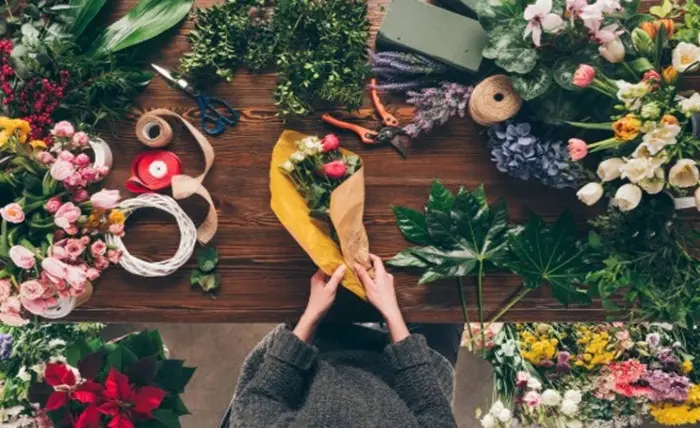
Creating arrangements requires basic tools: sharp scissors or floral knives, floral foam or foam blocks, vases or containers, wire cutters, tape, greenery, and the chosen flowers. With these items, anyone can design eye-catching centerpieces and table accents.
Step-by-Step Guide
Start by selecting your blooms, trimming stems to appropriate lengths, and arranging flowers in layers to balance height and fullness. Place focal flowers in the center, surround with complementary blooms, and add greenery for texture. Adjust shapes and spacing for visual harmony. Finishing touches, such as ribbons or decorative accents, provide a polished appearance.
Tips for Professional-Looking Results
- Use flowers of varying heights and shapes for depth.
- Group colors strategically to create visual interest.
- Choose containers that complement the theme.
- Refresh water and trim stems regularly to maintain freshness.
Types of Wedding Table Flower Arrangements
Traditional Centerpieces
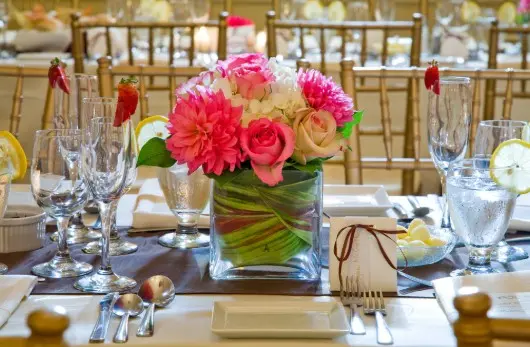
Traditional arrangements feature lush floral displays in decorative containers. They are ideal for classic weddings and provide elegance and charm. Consider symmetry, proportion, and color blending when crafting these designs.
Minimalist Arrangements
Minimalist designs focus on simplicity. Use fewer flowers, prioritize clean lines, and employ negative space effectively. This approach creates sophisticated displays that are understated yet captivating.
Statement-Making Floral Designs
Bold arrangements combine large blooms, contrasting textures, and dynamic shapes. Play with unexpected color combinations or tall, dramatic designs to create an eye-catching focal point on each table.
Sustainable Arrangements
Eco-friendly arrangements use locally-sourced and seasonal flowers, reducing environmental impact and supporting local growers. Sustainability-conscious choices can still deliver visually stunning results while promoting responsible practices.
Maintaining Freshness
Storage and Transport
Keep arrangements in cool conditions during storage. Transport them in secure boxes or buckets to prevent damage and avoid exposure to direct sunlight or extreme temperatures.
Preserving Arrangements During the Event
Maintain water levels, use floral preservatives, and place arrangements in shaded or temperature-controlled areas. Trimming stems at angles and handling flowers gently helps preserve their appearance throughout the celebration.
Hiring a Professional Florist
When to Choose a Professional
For larger weddings or elaborate events, professional florists offer expertise in design, logistics, and execution. Their experience allows for customized arrangements that align with your vision and schedule.
Services Offered
Florists provide guidance on flower selection, arrangement design, and table layout. They ensure quality, handle delivery and setup, and offer creative suggestions to enhance the overall aesthetic.
Selecting the Right Florist
Evaluate portfolios, compare quotes, discuss design preferences, and confirm understanding of your budget. Clear communication is key to achieving a seamless collaboration and satisfying results.
Conclusion
Creating wedding table flower arrangements combines creativity, planning, and attention to detail. Whether crafted independently or with professional guidance, thoughtful floral design elevates the ambiance and provides a memorable experience for guests. By considering themes, seasonal blooms, color coordination, and practical techniques, anyone can transform tables into captivating displays. Crafting these arrangements brings a sense of accomplishment and joy, enriching the celebration with beauty and personal expression. With patience and imagination, stunning wedding table flower arrangements can transform a simple reception into a day filled with charm, elegance, and unforgettable memories.