


A garage conversion is one of the most practical ways to add usable space to your home without extending the building footprint. For many homeowners in Australia, the garage is often used only for storage, leaving valuable space underutilised. Turning it into a living area, home office, bedroom, studio, or even a small rental unit can increase comfort and potentially boost property value. Compared to building a brand-new extension, converting an existing garage often requires less structural work, which can make it more affordable. Many homeowners ask, “How much do garage conversions cost?”, and the answer depends on several factors, including the scale of the conversion, the intended purpose of the space, and the existing condition of your garage.
What Affects the Cost of a Garage Conversion?
The cost of a garage conversion in Australia can vary widely. On average, most conversions range from $10,000 to $60,000, though some can go higher depending on custom design choices and high-end materials. One key factor is whether your garage is attached or detached. Attached garages tend to cost less to convert because plumbing, electricity and structural support often already connect to the main home. Detached garages may require additional utilities, insulation and weatherproofing, which increases labour and material costs.
The intended use of the space also plays a major role. Converting a garage into a simple living area with flooring, drywall, windows, and electrical outlets is usually more affordable. However, turning it into a bathroom, self-contained studio or granny flat requires plumbing installation, waterproofing and council approvals, which significantly increases costs. Local council regulations can also influence pricing since building permits, compliance checks and inspections may be required before and during construction.
Structural Work and Preparation
Before any interior work begins, the garage must be assessed to make sure it is structurally suitable for conversion. Most garages were not originally designed as living spaces, so changes may be needed to meet building codes for insulation, moisture control and ventilation. The floor level may need to be raised or levelled to match the adjoining house. Walls may need reinforcement, and the ceiling height must meet residential standards. If your garage has a large roller door at the front, replacing it with a wall and windows is usually necessary to create a comfortable living environment. These structural adjustments form a significant portion of the project cost.
Insulation, Flooring and Interior Finishing
Once the structure is ready, internal work begins. Insulation is essential in Australian climates to keep the converted garage comfortable year-round. Many garages are built with thin walls and minimal insulation, so adding proper insulation to walls and ceilings is crucial. Flooring is another key component. Concrete garage slabs can feel cold and uneven, so most homeowners choose to install new flooring such as laminate, carpet, vinyl plank or engineered timber.
Interior finishing involves plastering walls, installing skirting boards, painting, fitting lighting and ensuring all electrical wiring meets safety standards. If the conversion includes plumbing, waterproofing is legally required in specific areas of the room, particularly if adding a shower or sink. All of these stages contribute to the final cost, and the quality of materials selected will influence your budget.
Converting the Garage into a Self-Contained Unit
If the goal is to create a granny flat or rental studio, the budget will be higher because the space must function independently. Plumbing installation for a bathroom and kitchenette adds cost, along with heating and cooling systems and sometimes additional ventilation. Soundproofing becomes more important if the garage shares walls with other rooms. You may also require separate electrical circuits and meter upgrades depending on the use. Homeowners planning to rent the space should also ensure full compliance with local building standards to avoid future legal complications.
Council Approvals and Legal Requirements
Not all garage conversions require council approval, but many do, especially if you are changing the building classification from non-habitable to habitable space. This often requires submitting plans and receiving building permits. The cost of approvals varies depending on the local council and the scale of work. Failing to obtain necessary permits can lead to issues when selling the property or applying for home insurance. It is best to consult with a builder or architect familiar with local regulations before construction begins.
Example Cost Ranges for Common Garage Conversions
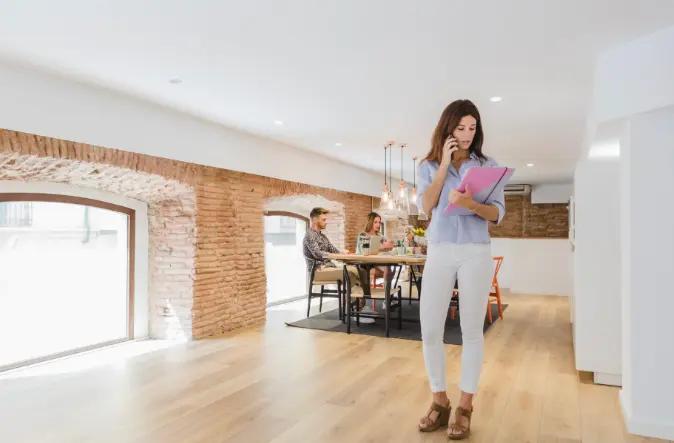
A straightforward conversion into a basic living room or office may cost between $10,000 and $25,000, depending on insulation and finishing choices. A bedroom or guest room with upgraded flooring and added storage may cost closer to $20,000 to $40,000. A self-contained studio with bathroom and kitchenette is usually the most expensive option, ranging from $40,000 to $60,000 or more, depending on plumbing complexity and appliance selections. These figures are general ranges and can differ based on suburb, labour rates and material preferences.
When to Involve Professionals
While some homeowners may consider handling minor parts of the project themselves, most garage conversions require professional help. Licensed builders, electricians, plumbers and sometimes structural engineers are needed to ensure the conversion is safe, compliant and durable. Attempting structural changes or electrical work without qualifications can lead to safety hazards and project delays.
Final Thoughts
A garage conversion can be an excellent investment if planned carefully. It offers a way to expand your home’s usable space without the need for full-scale extensions. Understanding the costs involved and the factors that influence them will help you set a realistic budget and avoid unexpected expenses. Working with experienced professionals ensures the conversion is completed to code, comfortable to live in and contributes positively to the overall value of your property.