


Babies begin exploring the world through their senses long before they can speak or walk. when do babies start to play with toys? From as early as a few months old, they instinctively reach for objects, touch textures, and listen to sounds—all part of their natural learning process. Sensory toys are specially designed to stimulate these early developmental experiences, helping babies engage with their surroundings in meaningful ways. Pediatricians frequently recommend these toys because they support crucial skills like hand-eye coordination, cognitive growth, and emotional regulation. Unlike traditional toys, sensory-focused options encourage active exploration, making playtime both fun and educational. In this article, we’ll explore why sensory toys are essential, how they benefit development, and what experts suggest for parents.
What Are Sensory Toys?
Sensory toys are designed to engage one or more of a baby’s senses—sight, sound, touch, taste, or smell. They come in various forms, from textured balls that encourage grasping to musical toys that respond to a baby’s touch. These toys often incorporate contrasting colors, different materials, or interactive features to capture a child’s attention while aiding their sensory development. Unlike passive toys, sensory toys require interaction, helping babies learn cause-and-effect relationships and build neural connections.
Benefits of Sensory Toys for Baby Development
Enhancing Sensory Processing Skills
Sensory toys help babies process and respond to the world around them. For example, a toy with varied textures—soft fabric, bumpy silicone, or smooth wood—allows a baby to explore different tactile sensations, strengthening their ability to distinguish between them. This is crucial because sensory processing forms the foundation for later skills, such as recognizing objects by touch or reacting appropriately to different temperatures. Additionally, toys with sounds or lights teach babies to associate actions with outcomes, like pressing a button to hear a melody. Over time, this improves their ability to focus and interpret sensory input, which is essential for tasks like listening to instructions or identifying objects in a busy environment.
Supporting Cognitive Development and Exploration
From an early age, babies learn by experimenting. Sensory toys encourage this natural curiosity by offering safe ways to explore. A simple shape-sorting toy, for instance, helps a baby understand spatial relationships and problem-solving as they figure out which piece fits where. Similarly, toys with hidden compartments or moving parts teach cause-and-effect reasoning—skills that later translate to academic learning. Research shows that babies who engage in sensory play often develop stronger memory retention and observational skills. For example, a child who plays with water-filled toys learns about volume and motion, while stacking blocks introduces basic physics concepts like balance. These experiences build neural pathways that support future learning in math, science, and logic.
Promoting Fine and Gross Motor Skills
Sensory toys play a key role in physical development. Fine motor skills, like picking up small objects or turning pages, are honed through toys that require pinching, twisting, or grasping. For instance, a toy with knobs or beads helps strengthen finger muscles, preparing babies for tasks like holding a spoon or writing. Gross motor skills, such as crawling or throwing, are supported by larger sensory toys like stretchy bands or weighted balls that encourage full-body movement. Even something as simple as a crinkly fabric book promotes coordination as babies turn pages and pat the noisy material. Over time, these activities improve dexterity, balance, and overall physical confidence.
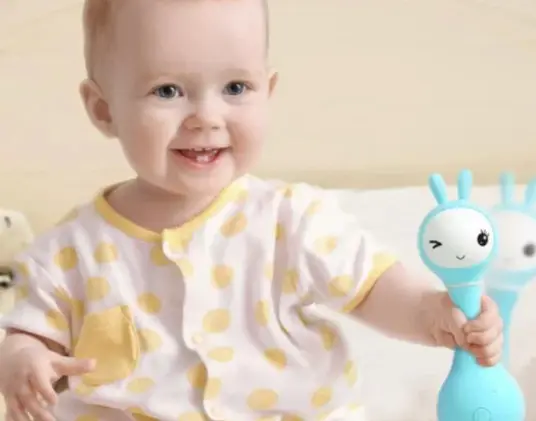
Pediatricians’ Insights on Sensory Play
Recommendations for Age-Appropriate Sensory Toys
Pediatricians emphasize choosing sensory toys that match a baby’s developmental stage. For newborns, high-contrast black-and-white toys stimulate vision, while soft rattles introduce sound and touch. Around 6 months, babies benefit from teething toys with varied textures or activity gyms that encourage reaching and kicking. Toddlers enjoy more complex toys like stacking rings or sensory bins filled with safe materials like rice or fabric scraps. Experts also suggest rotating toys to maintain interest and prevent overstimulation. The key is observing a baby’s reactions—if they seem frustrated or disengaged, the toy may be too advanced.
The Role of Parents in Sensory Play
Parents play a vital role in maximizing the benefits of sensory toys. Engaging with a baby during play—describing textures, mimicking sounds, or demonstrating how a toy works—enhances learning. For example, saying, “This block is rough!” while guiding a baby’s hand helps them connect words with sensations. Simple games, like hiding a toy under a blanket and encouraging the baby to find it, also build cognitive and emotional bonds. Pediatricians recommend following the child’s lead; if they show interest in a particular toy, expand on that experience rather than forcing a different activity.
Safety Considerations When Choosing Sensory Toys
Safety is paramount when selecting sensory toys. Avoid small parts that could pose a choking hazard, and ensure materials are non-toxic and durable. For water-based toys, check for mold-resistant designs, and always supervise play with sensory bins containing small items. Additionally, consider noise levels—some sound-producing toys can be too loud for a baby’s sensitive ears. Regularly inspecting toys for wear and tear prevents accidents, and opting for easy-to-clean designs helps maintain hygiene.
Conclusion
Sensory toys are more than just entertainment; they are powerful tools that shape a baby’s development in lasting ways. From improving motor skills to fostering curiosity and problem-solving abilities, these toys provide a strong foundation for future learning. Pediatricians consistently recommend them because they align with how babies naturally explore and understand their environment. For parents seeking high-quality options, Alilo offers a variety of sensory toys designed to support each stage of a baby’s growth. By incorporating these toys into daily play, caregivers can nurture their child’s development while creating joyful, engaging experiences.